Permanence and Adaptability
Temples pursued longevity.
Houses often prioritized flexibility.
Both approaches relied on shared construction principles.
Japan’s architectural history reveals two seemingly opposite approaches.
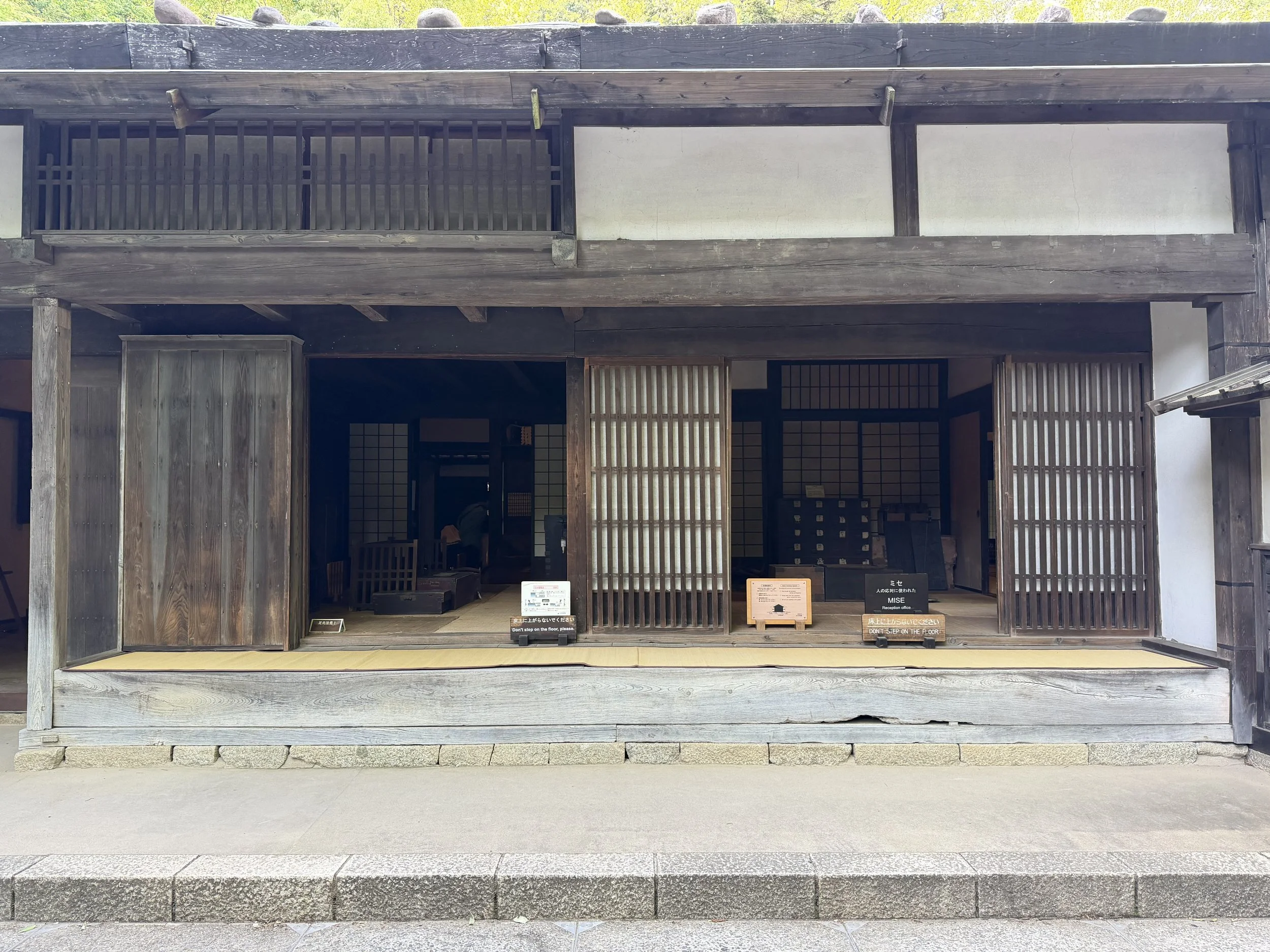
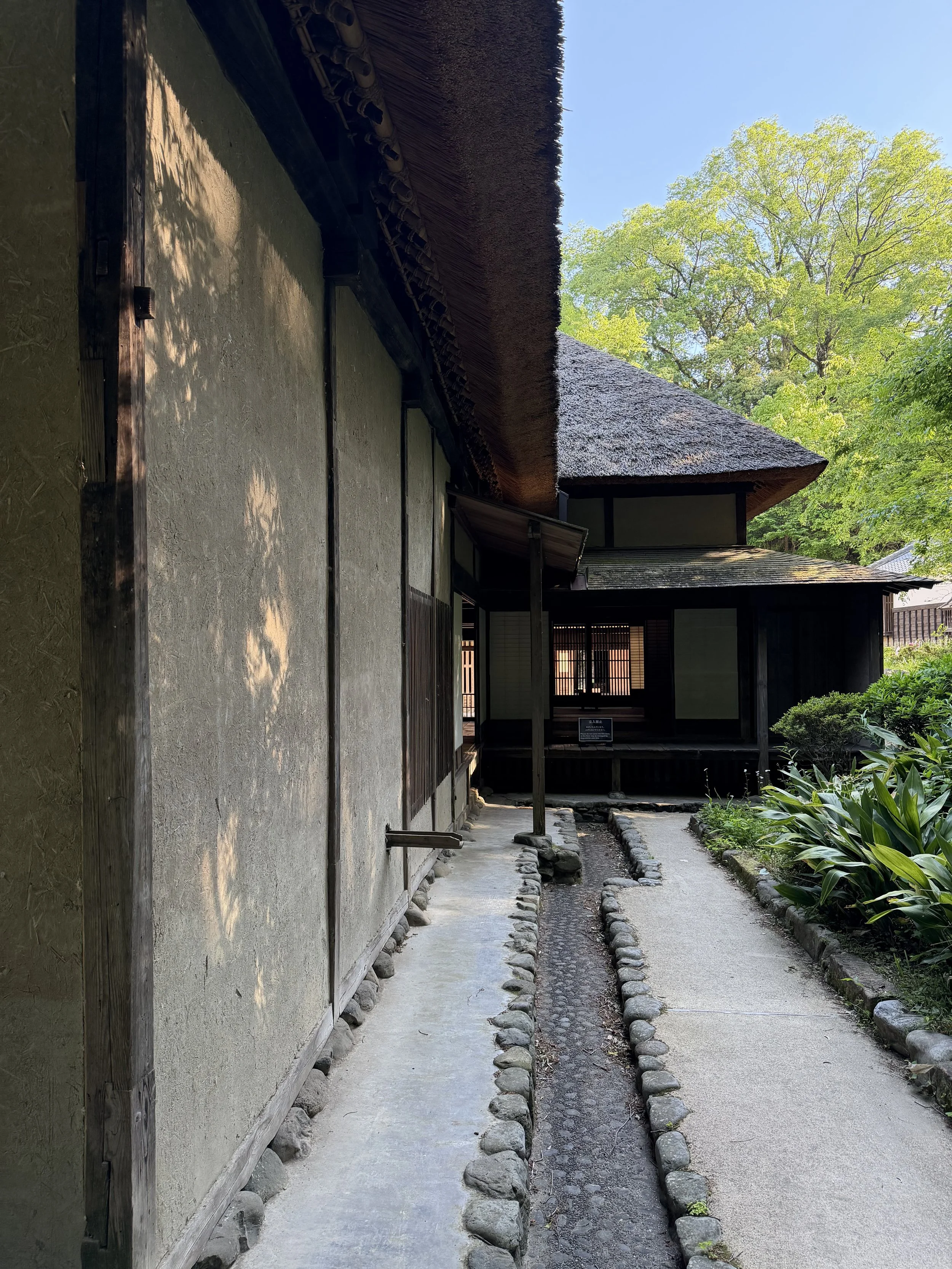
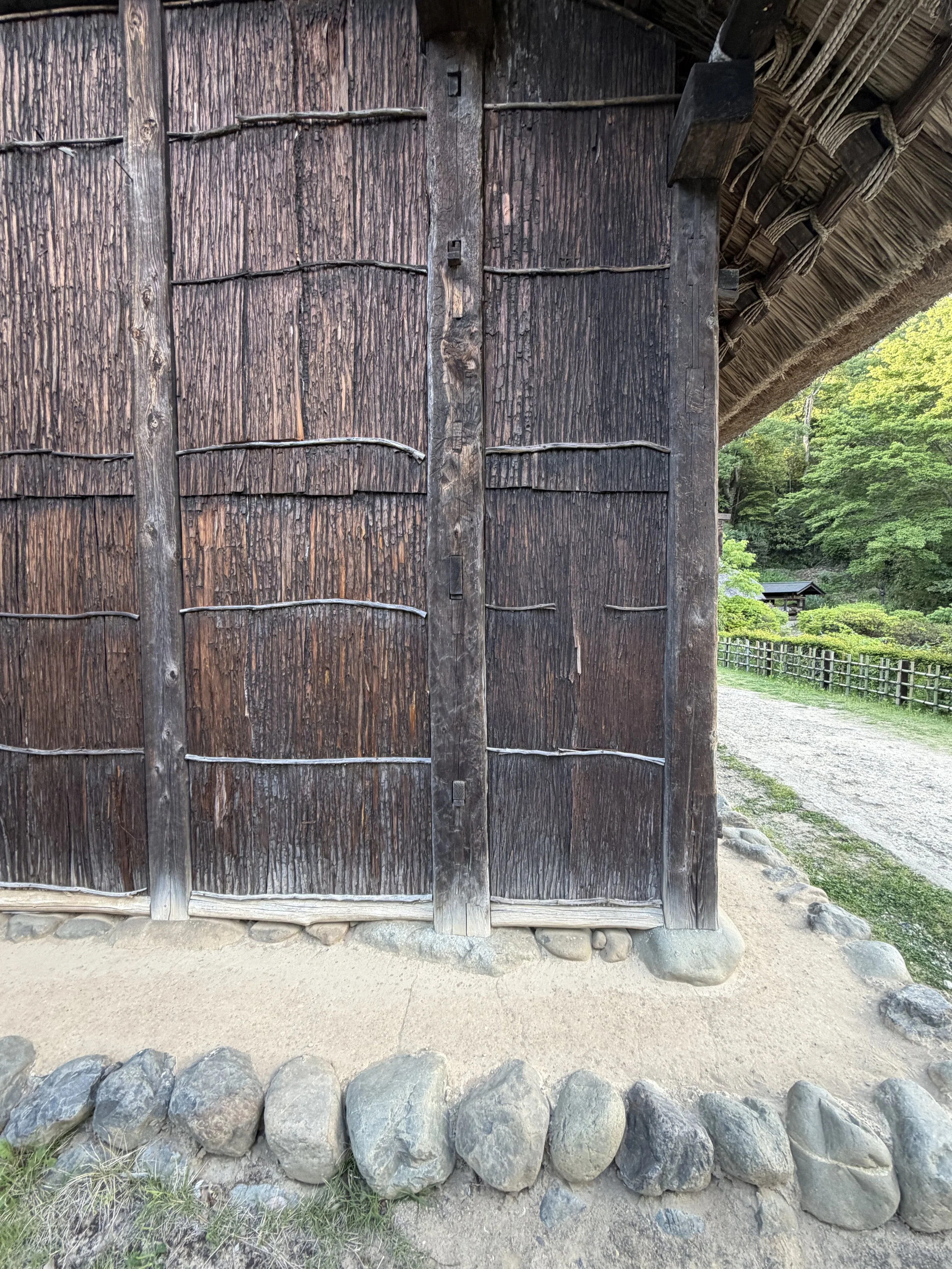
Monumental temples and shrines were designed for endurance, while many vernacular structures prioritized adaptability and repair.
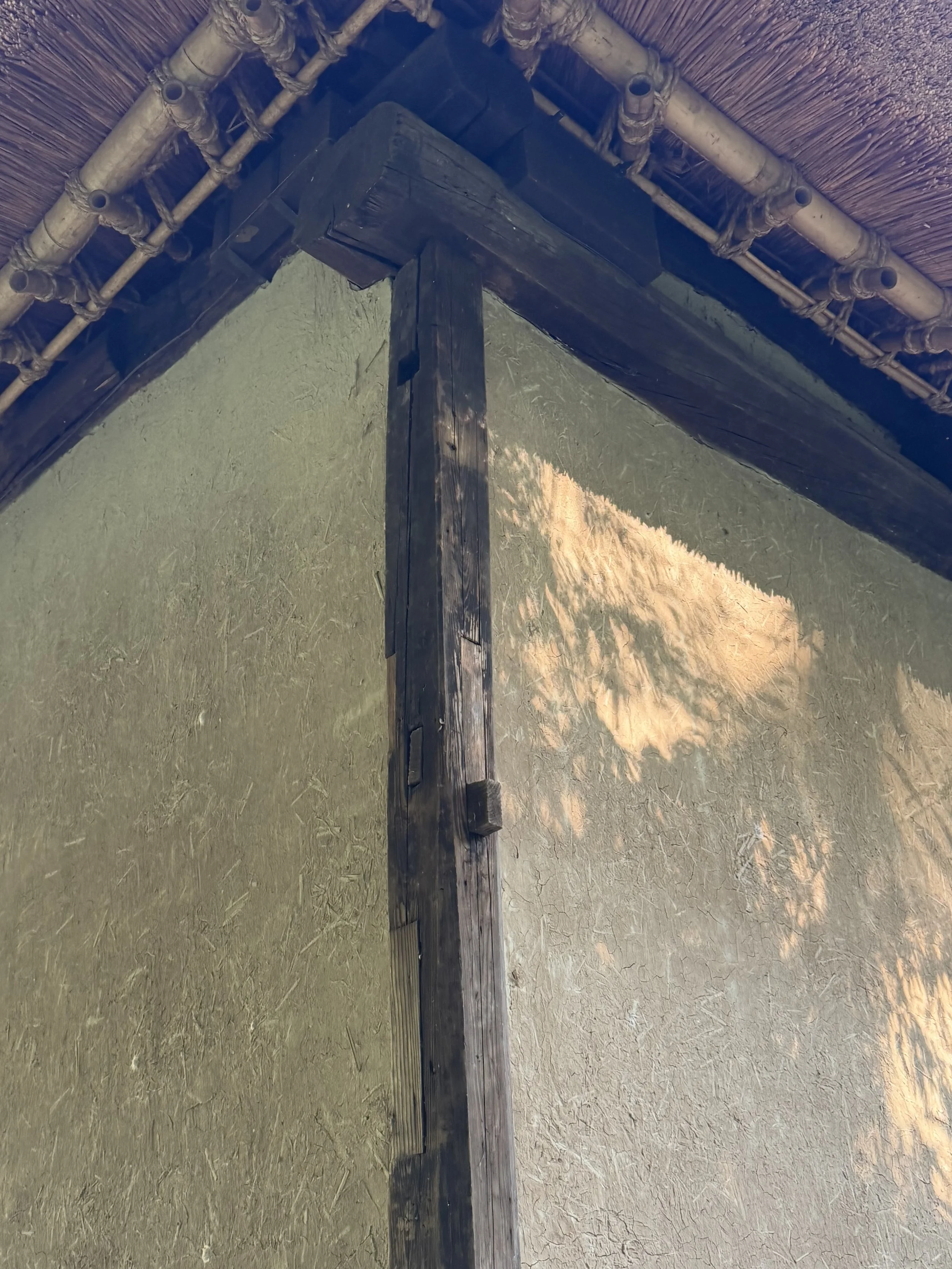
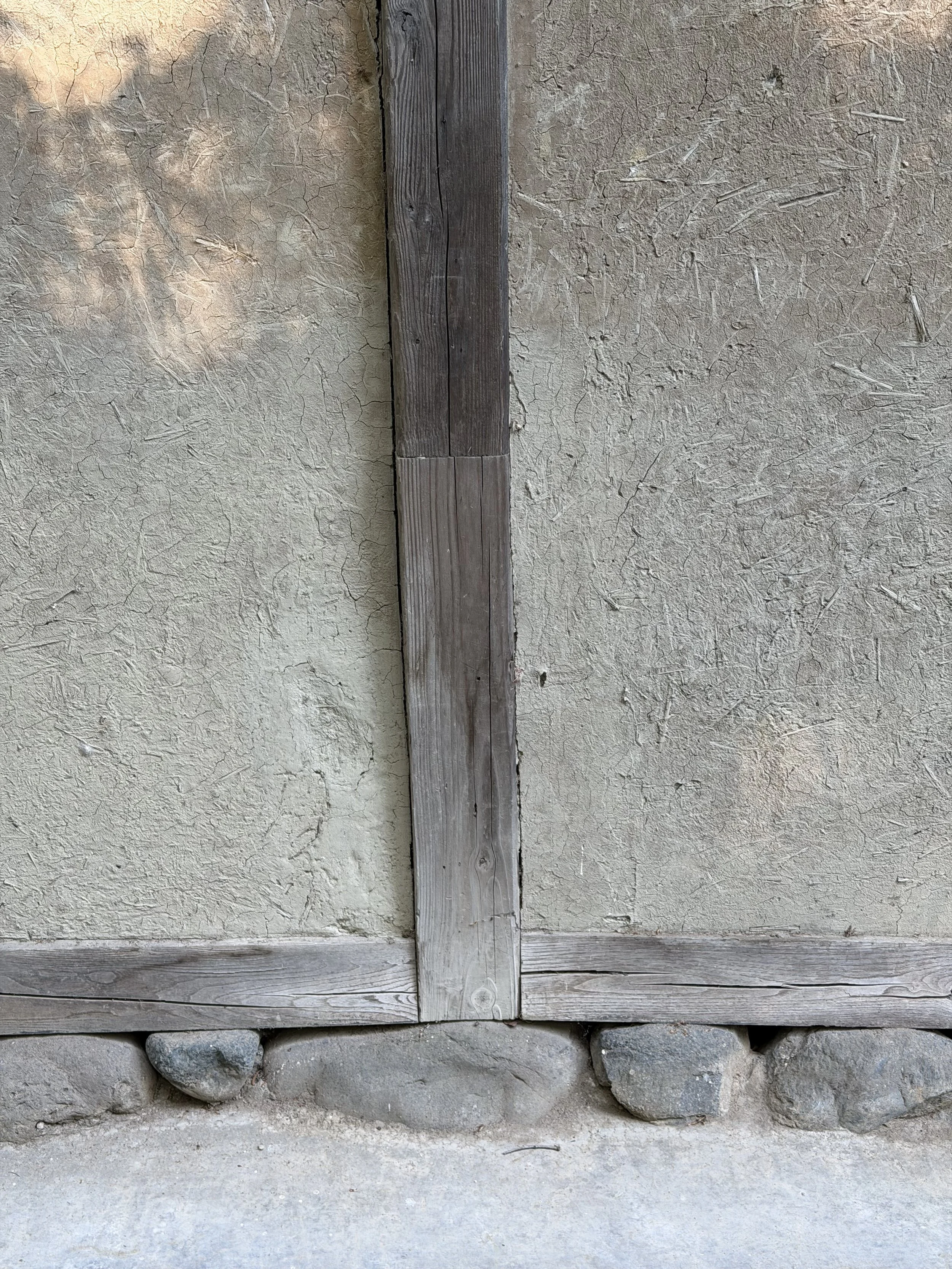
Yet both relied on similar principles: standardized dimensions, modular construction, durable materials, and carefully refined joinery.
Whether a building lasted centuries or moved with a flood, success depended on understanding change rather than resisting it.