Reuse Was Never Just About Materials
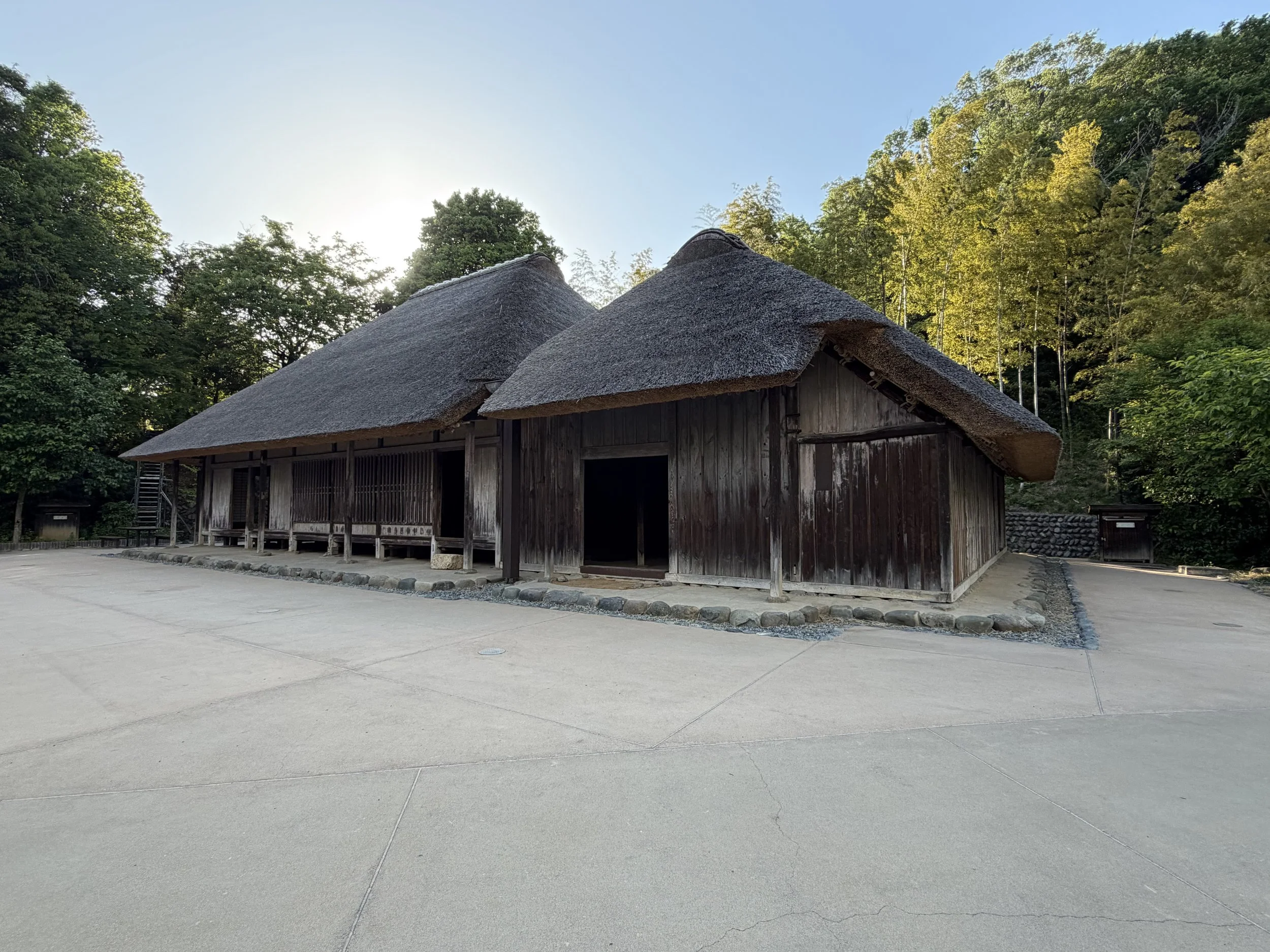
Historic Japanese buildings were designed with adaptation in mind.
Reuse depended on standardized systems rather than one-off solutions.
Stewardship was embedded in everyday building culture.
My research in Japan began with a simple question: what does it actually take to build for reuse?
The answer has proven to be much larger than material recovery. Across temples, farmhouses, museums, and contemporary research labs, I’ve found that successful reuse depends on systems of care developed over generations.
Historic Japanese construction relied on standardized dimensions, repeatable joinery, and locally available materials. Buildings were not necessarily designed to last forever, but they were often designed to adapt, move, repair, and evolve.
This perspective challenges contemporary notions of sustainability. Rather than treating reuse as an end-of-life strategy, many historic examples suggest it was considered from the beginning.