Rotor: Architecture as Collaboration
Brussels, Belgium
Bruxelles, Belgique
Brussel, België
June 11, 2026
Collaboration → bringing together the right people.
Architecture → redefining the architect’s role.
As → expanding practice through research and systems-building.
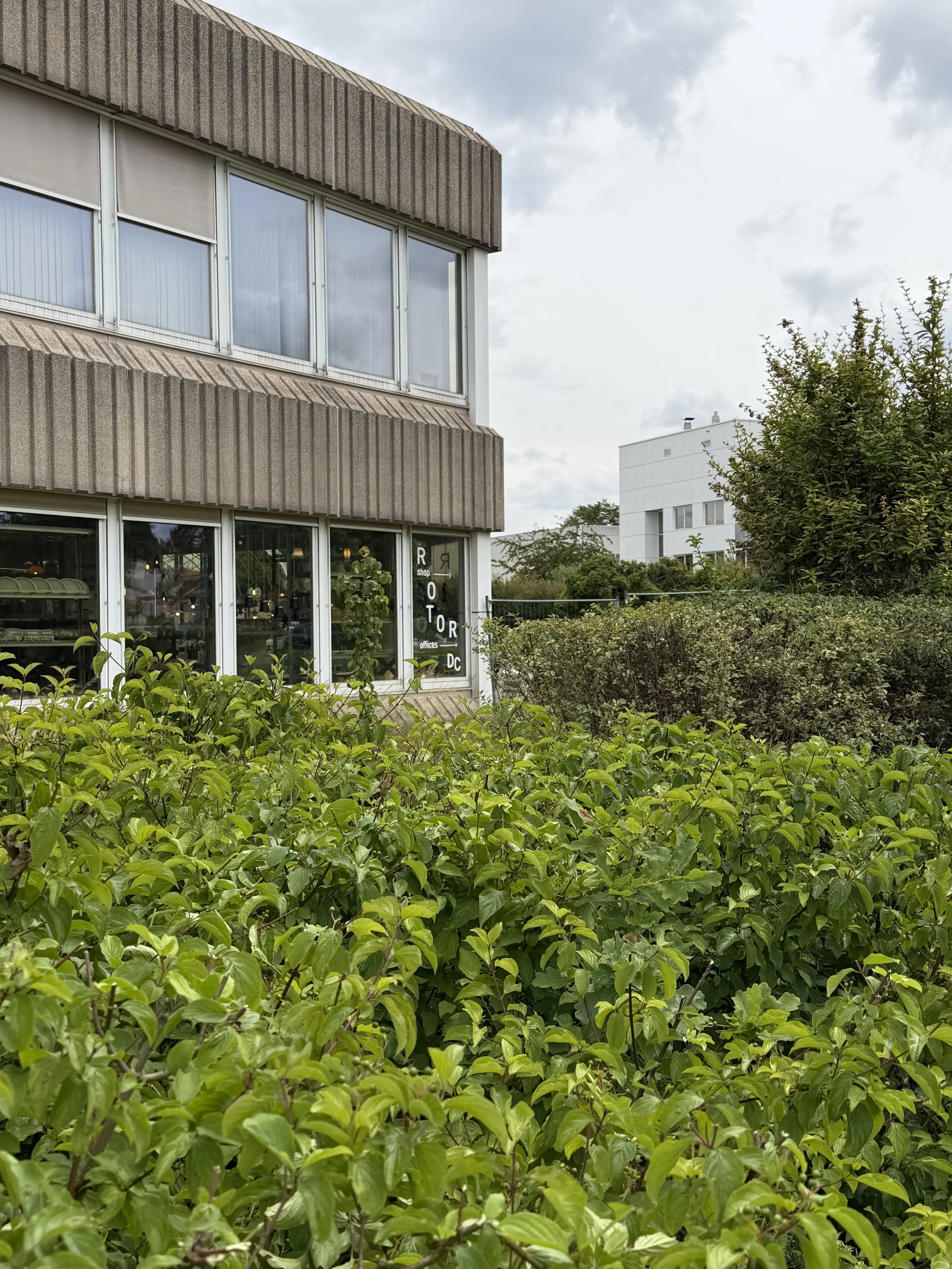
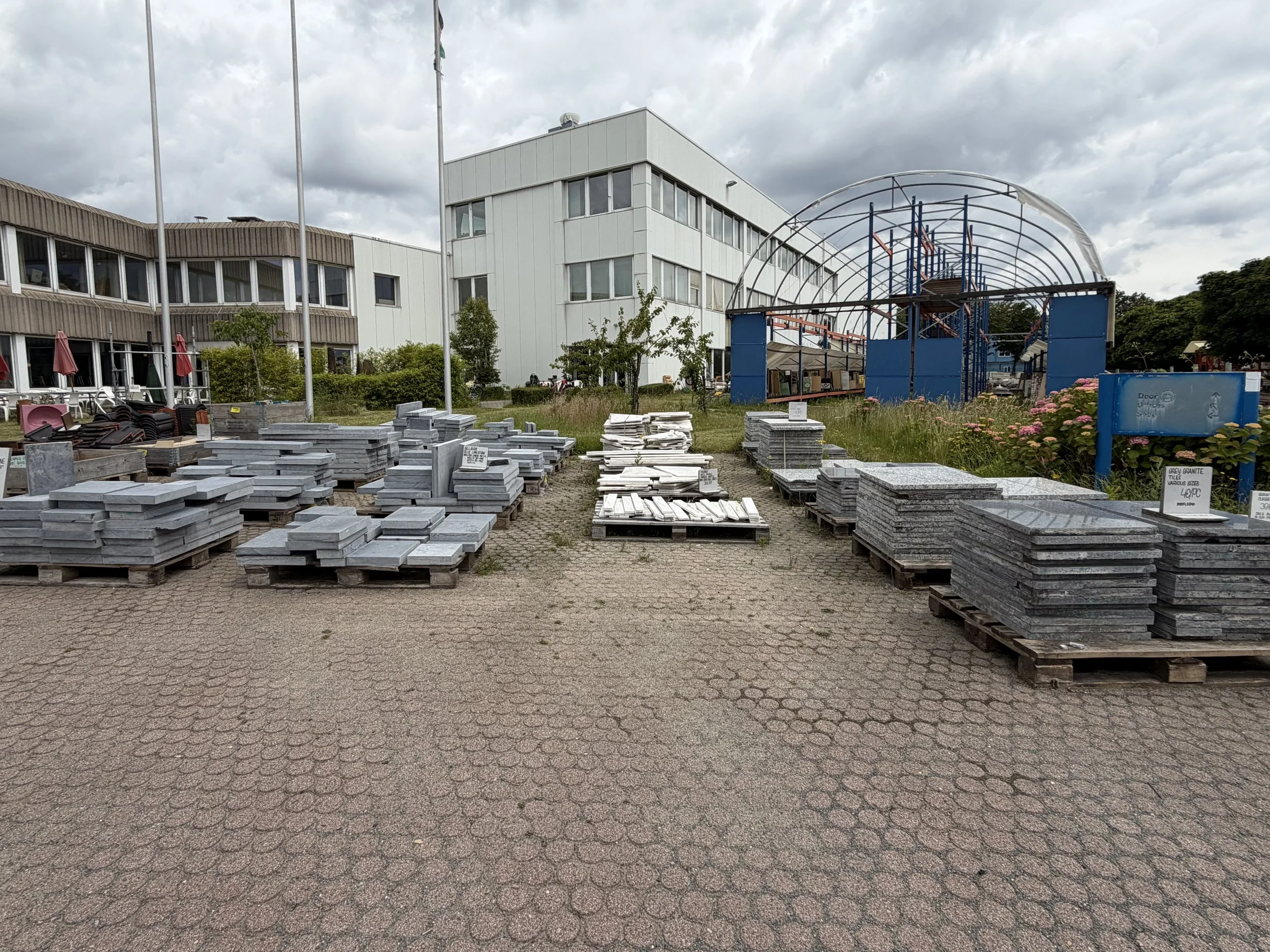
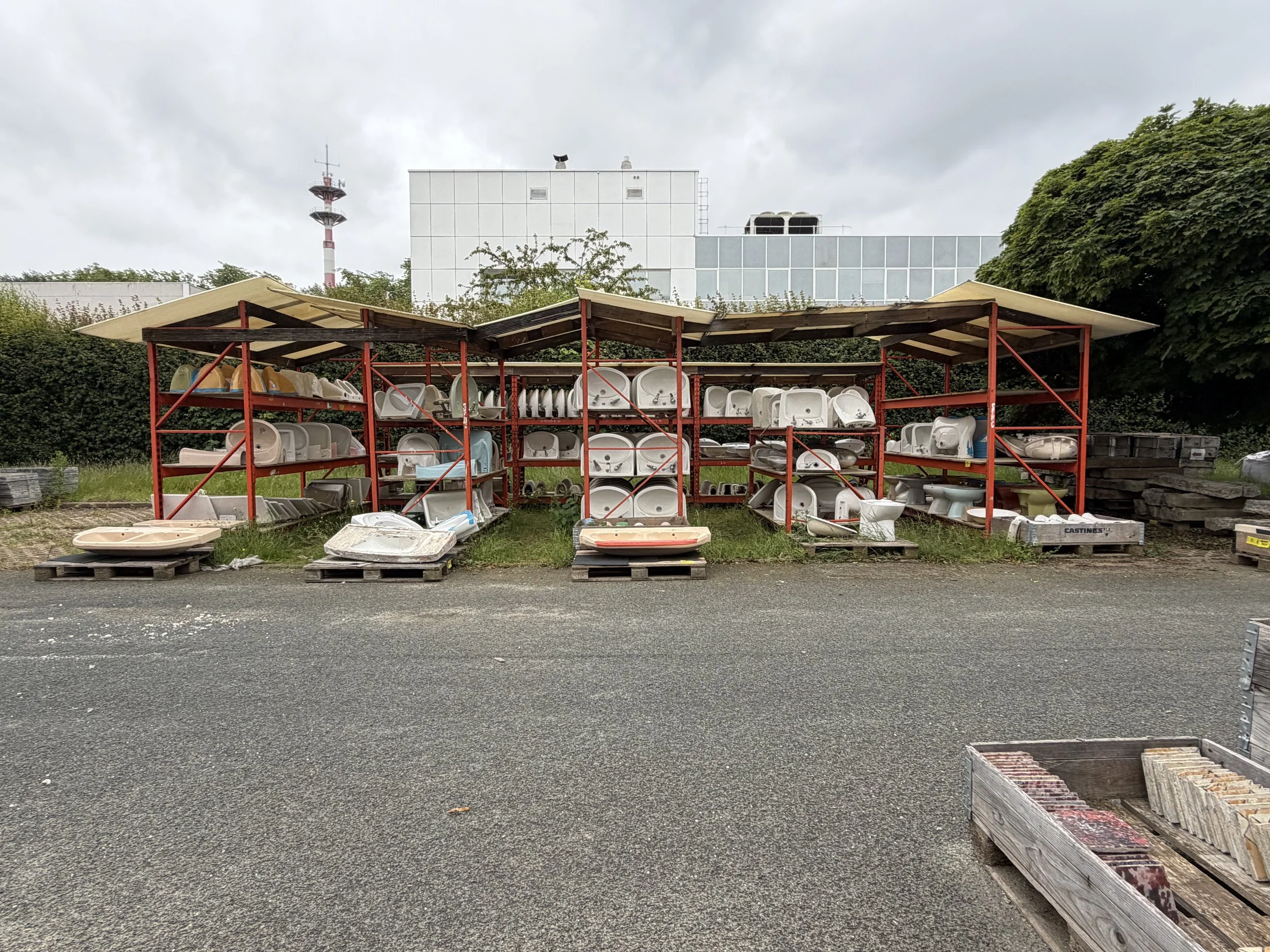
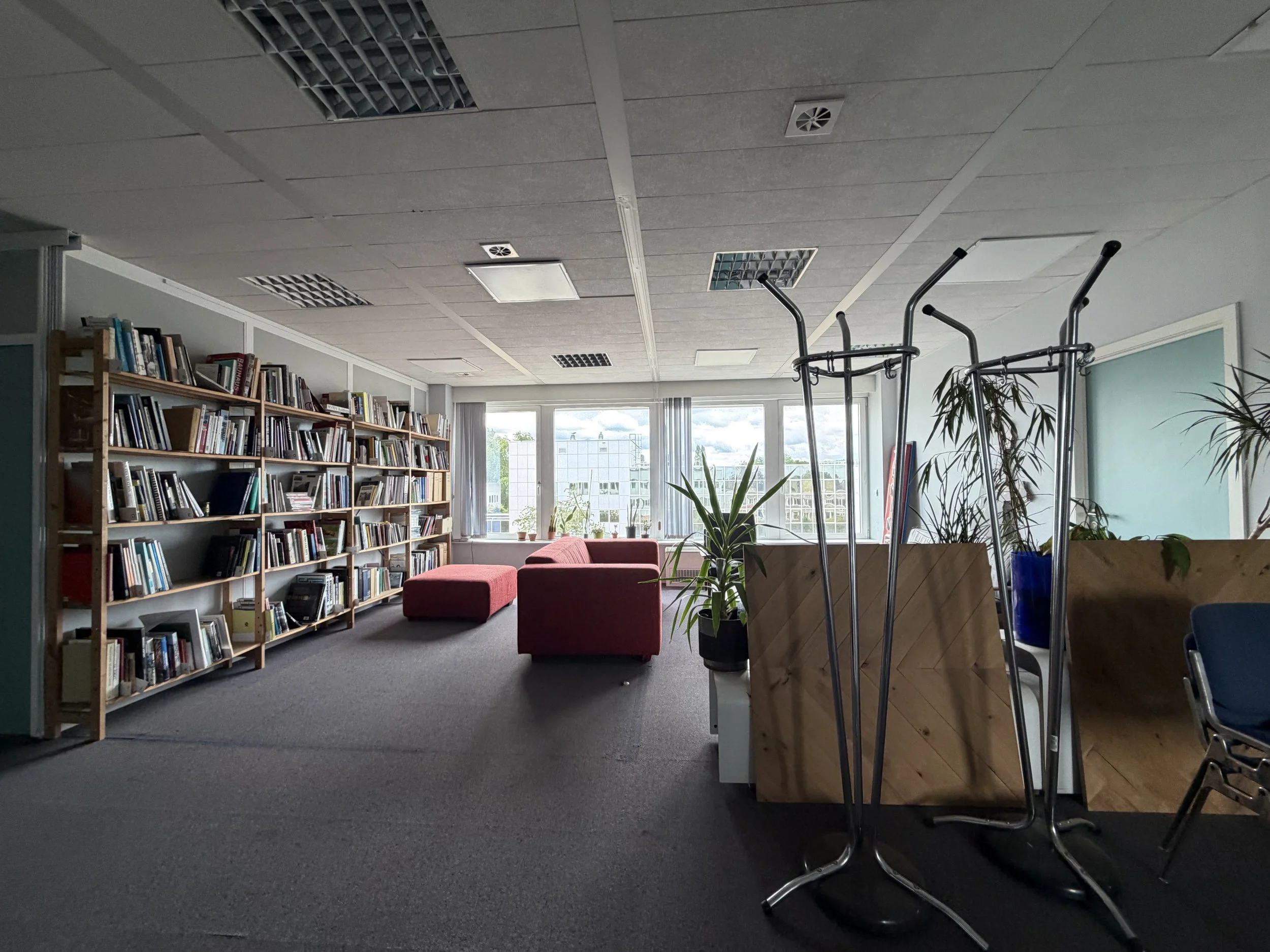
I visited Rotor’s offices in Brussels and had the opportunity to tour the practice and speak with Gaspard about the firm’s work and evolution. The visit began in the shared kitchen, where members of Rotor vzw-asbl and Rotor DC were finishing lunch together. After a quick espresso and chat with other office members, we set off to tour the office. It was an informal introduction to a practice built as much around collaboration and research as architecture.
What became clear throughout our conversation was that Rotor approaches every project differently. Rather than applying a standardized methodology, as one might expect from a practice renowned for its innovation in material reuse, the office has developed a specialized expertise in understanding the unique conditions surrounding material reuse and assembling the right team to respond. Their work extends beyond design itself to connecting the people, knowledge, and material flows that make circular construction possible.
One of Rotor’s greatest strengths is its ability to convene the right participants around a project. Successful reuse depends on understanding not only the material itself, but also the network of people connected to it: the original manufacturer, the former owner, the maintenance team, the future installer, the future building owner, and the designer. All involved must agree upon their level of risk and responsibility for reused components. Bringing these stakeholders together allows risks to be identified, measured, and shared, making reuse both more practical and more achievable.
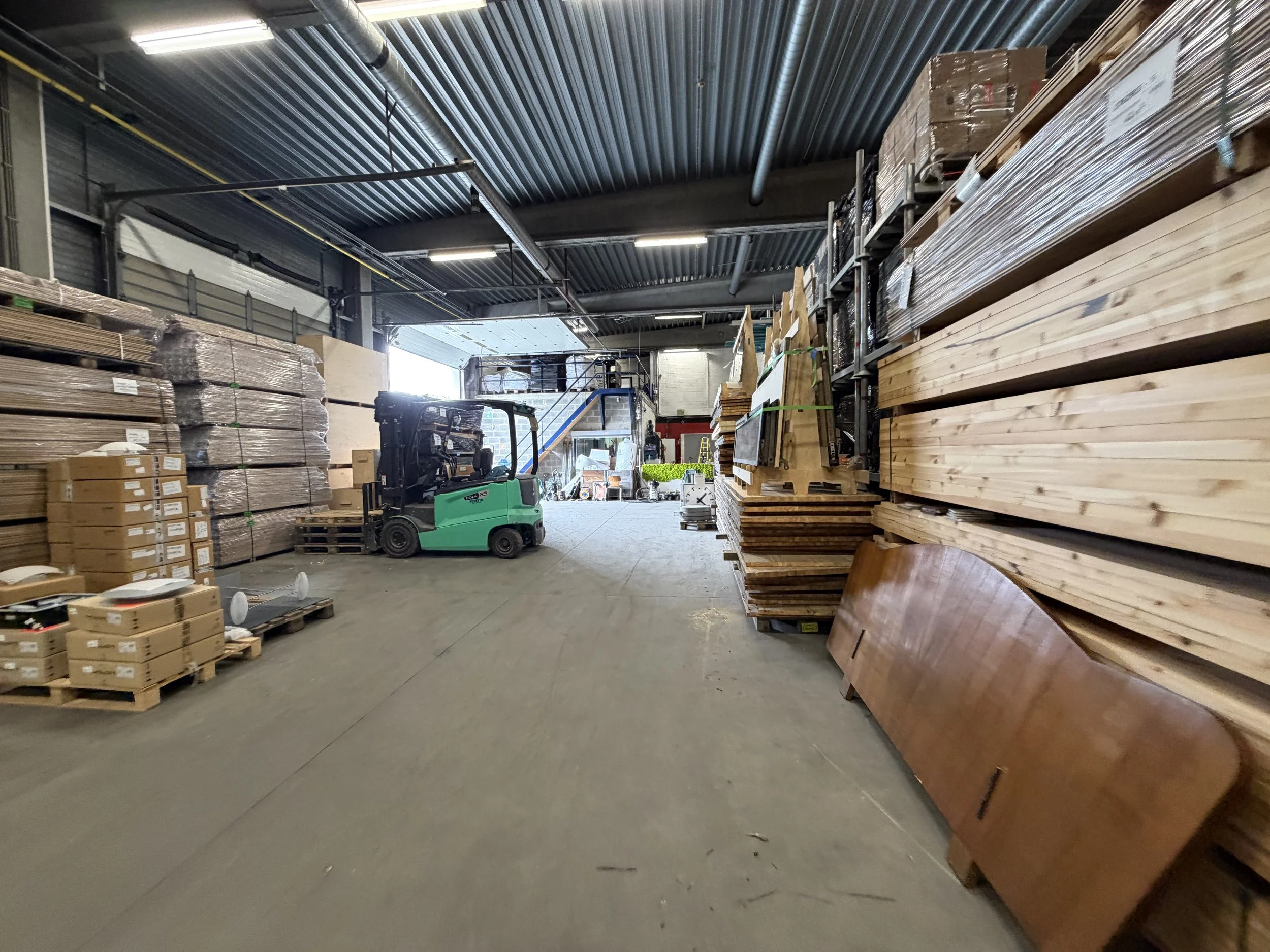
Over time, Rotor has refined its own role within this process. Gaspard explained that Rotor DC initially participated directly in disassembly but eventually recognized that their expertise was better applied elsewhere. Rather than performing the deconstruction themselves, they now collaborate closely with demolition contractors, providing guidance on recovery strategies while allowing contractors to carry out the work. This shift enabled Rotor to focus on its unique contribution: reclamation audits, material inventories, sourcing salvaged materials, and building the relationships that support circular supply chains.
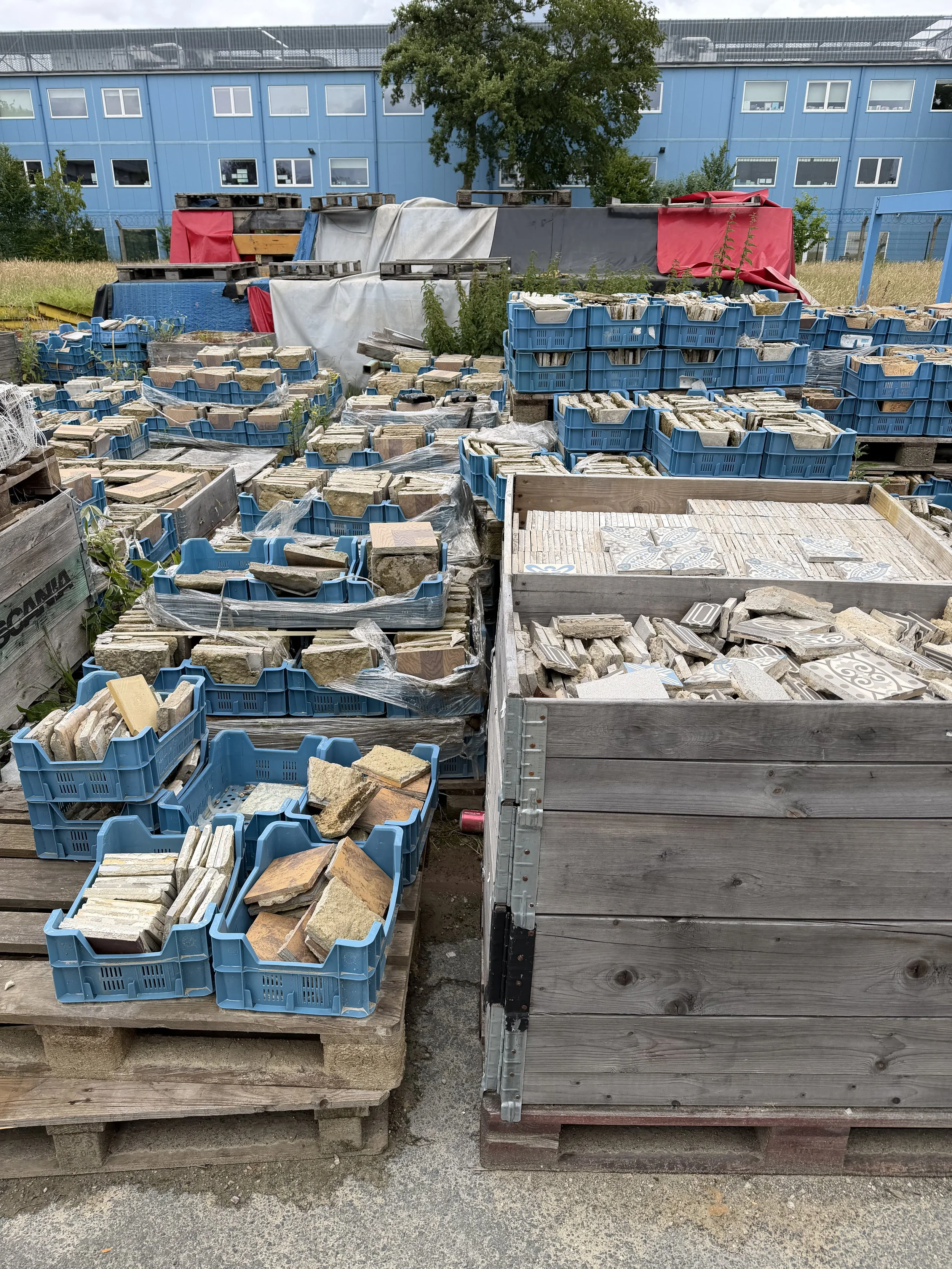
Research has been equally important to Rotor’s evolution. Through initiatives such as Opalis, the practice has mapped existing salvage dealers and reuse businesses, making an often invisible marketplace accessible to architects, contractors, and clients. Beyond documenting existing networks, Rotor continues to function as an active research laboratory. Researchers regularly join the office to investigate new challenges, such as developing tools to efficiently remove mortar from salvaged ceramic tile so it can be returned to the construction market.
A separate conversation with Lionel Devlieger, one of Rotor’s founders who has since left the practice, provided additional context about the organization’s early development. Speaking informally during the Preuse Symposium, Lionel shared that Rotor looked to examples in the United States during its formative years, particularly organizations that leveraged tax incentives for donated building materials to create viable reuse businesses. Rather than replicating these models directly, Rotor developed its own approach within the Belgian context, applying its expertise by building collaborative relationships through projects such as Zinneke to support material reuse and gradually influence broader design, construction, and legislative practices toward a more circular economy.
Perhaps the most significant lesson from my visit was that Rotor’s expertise is not limited to designing individual buildings, spaces, or furniture, but expands to designing systems of collaboration. Their projects succeed because they bring together the appropriate combination of expertise, institutions, contractors, clients, and material suppliers while remaining flexible enough to adapt to the unique conditions of each project. The process of building these relationships is every bit as important as the resulting architecture.
Rotor demonstrates that circular construction is ultimately not just about keeping materials in circulation. It is about creating the networks of knowledge, trust, and collaboration that allow those materials to move from one building to the next.