Zinneke
Location | Design Team | Year
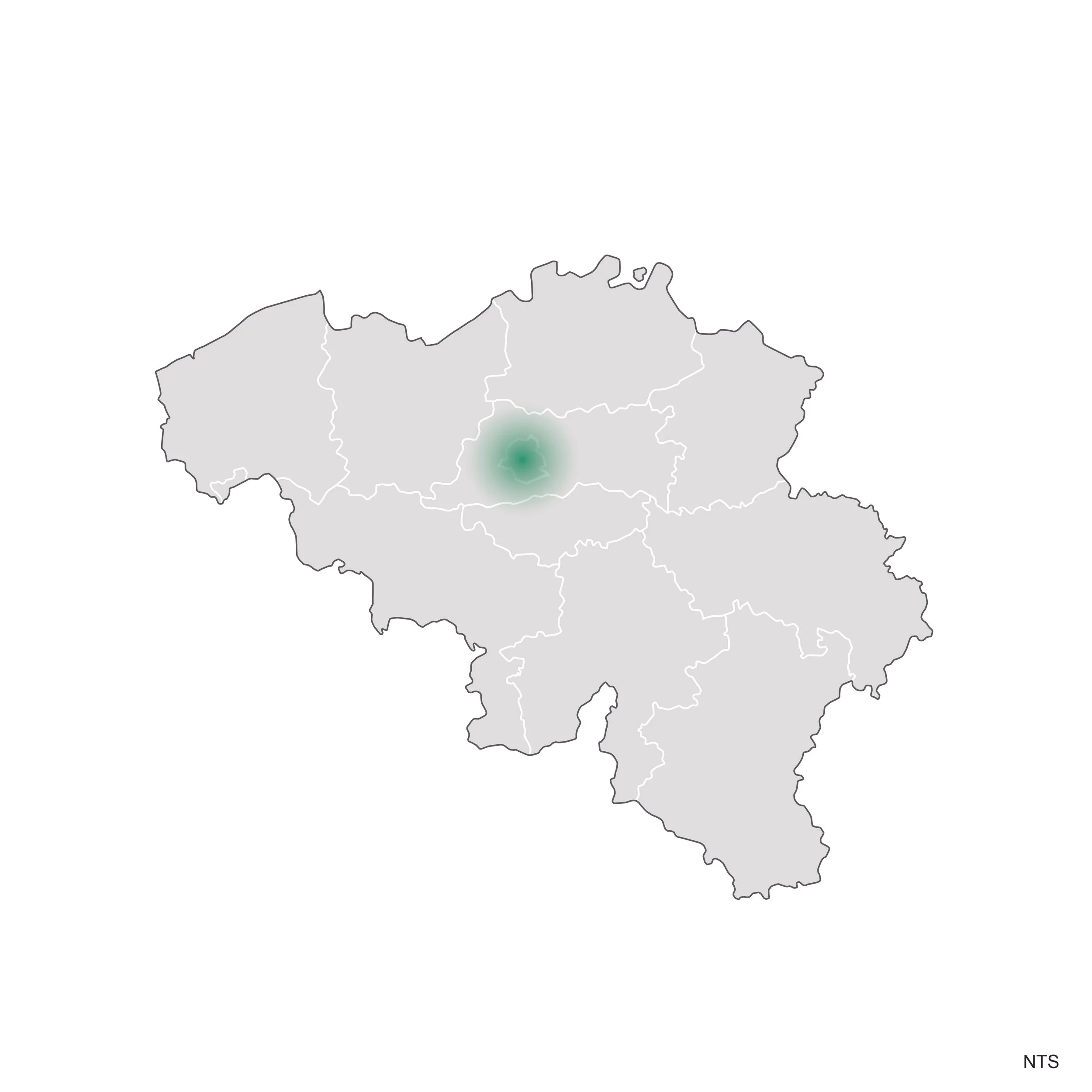
Brussels, Belgium | Ouest, Rotor, Zinneke | Completed 2016
Reuse Strategy
Adaptive reuse of existing structure; demolition prevention; 94% of material preserved on site, 12% of new material recycled
Reuse Components
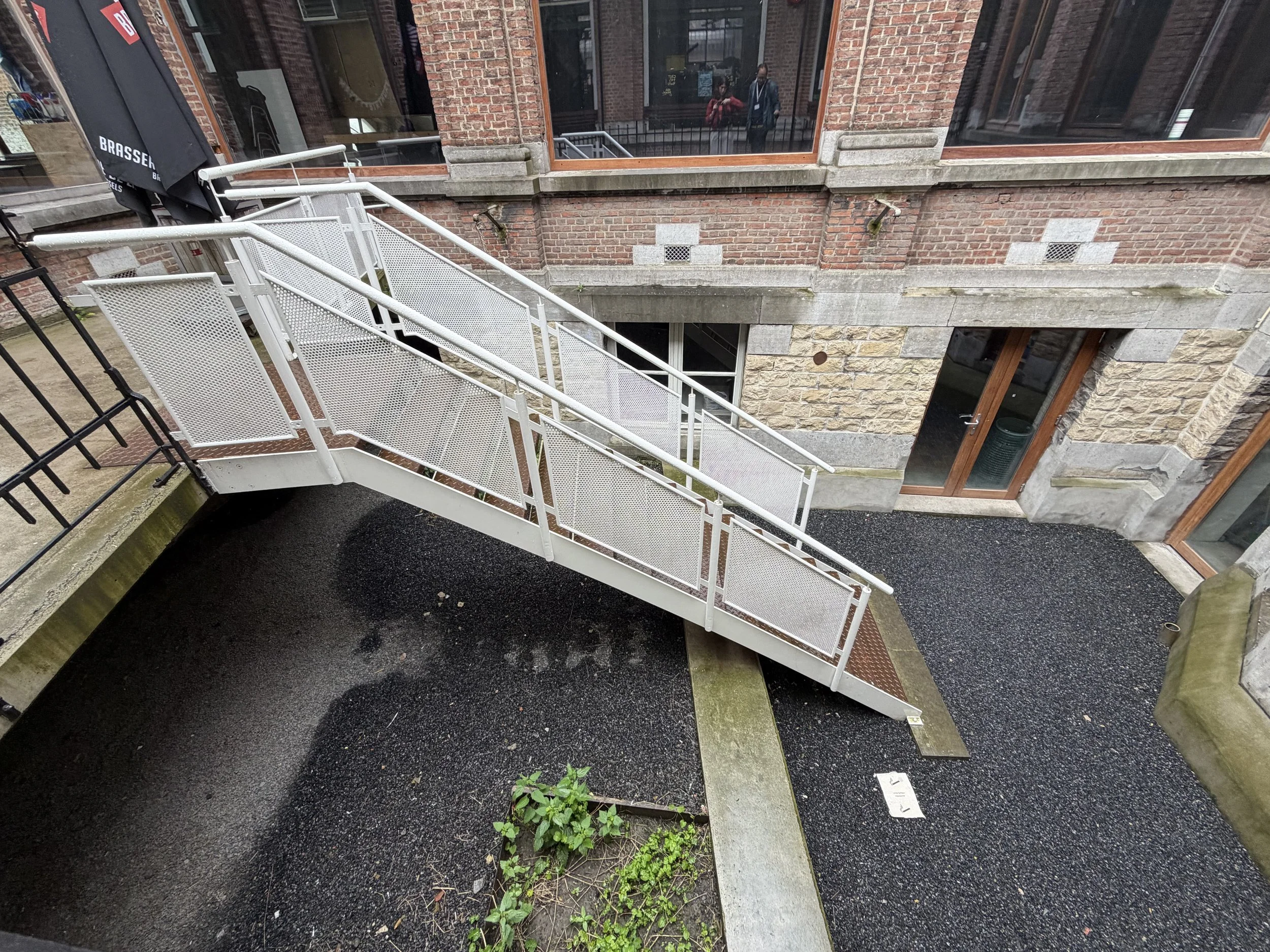
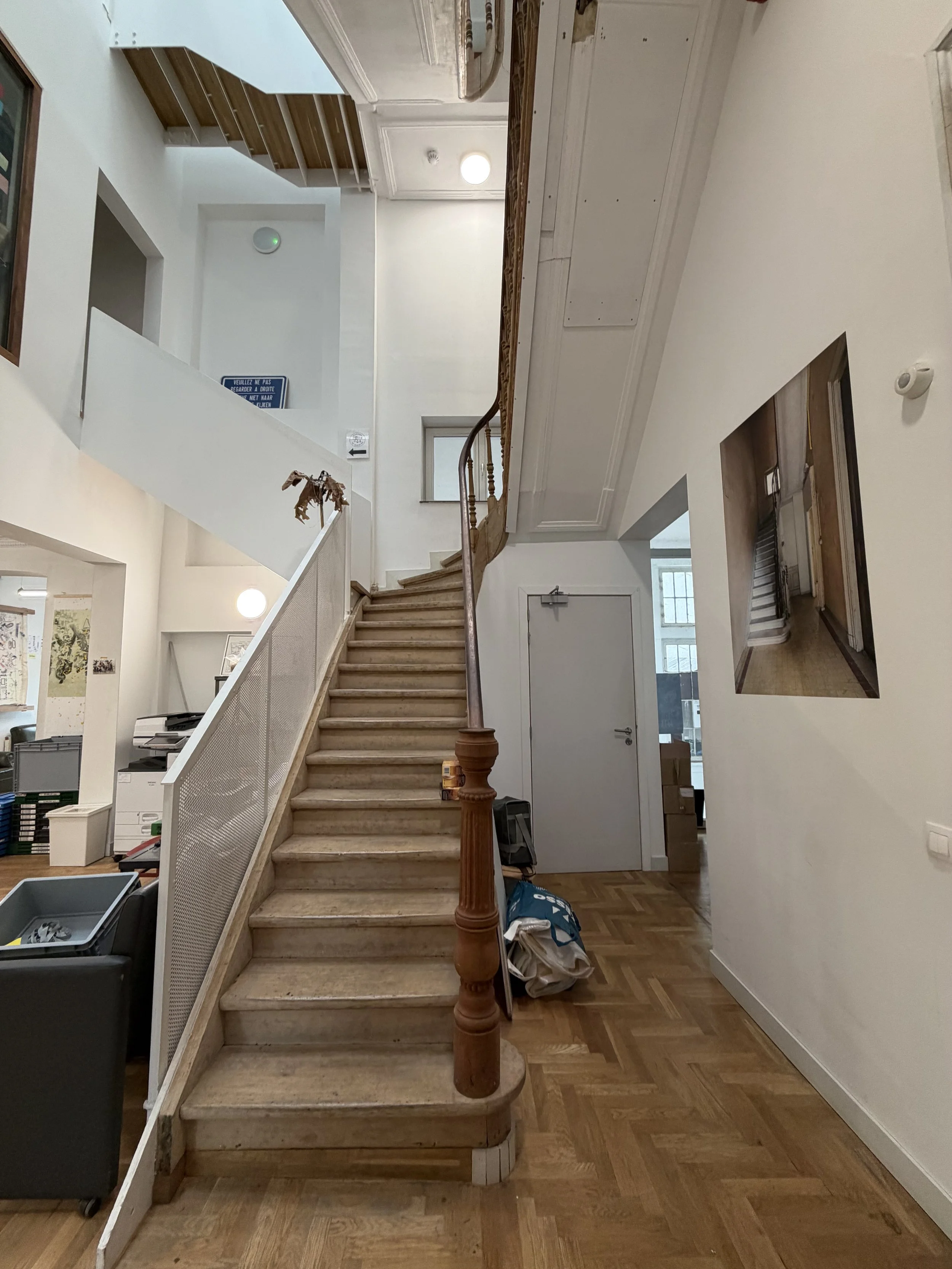
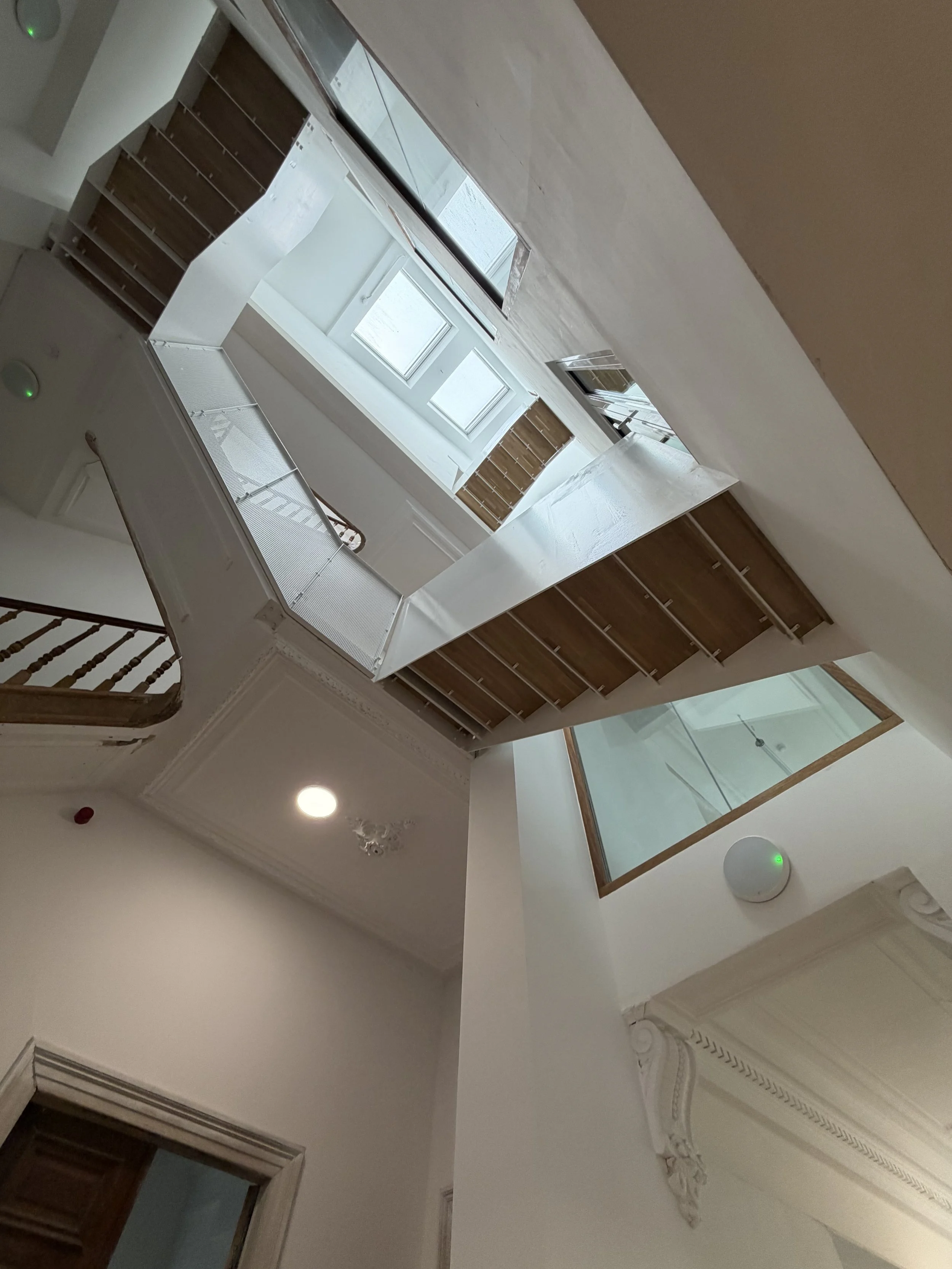
Stairs, windows, hvac quipment, interior finishes
Client | Development Strategy
City of Brussels | Short-term lease with plan to sell to client Zinneke (arts non-profit)
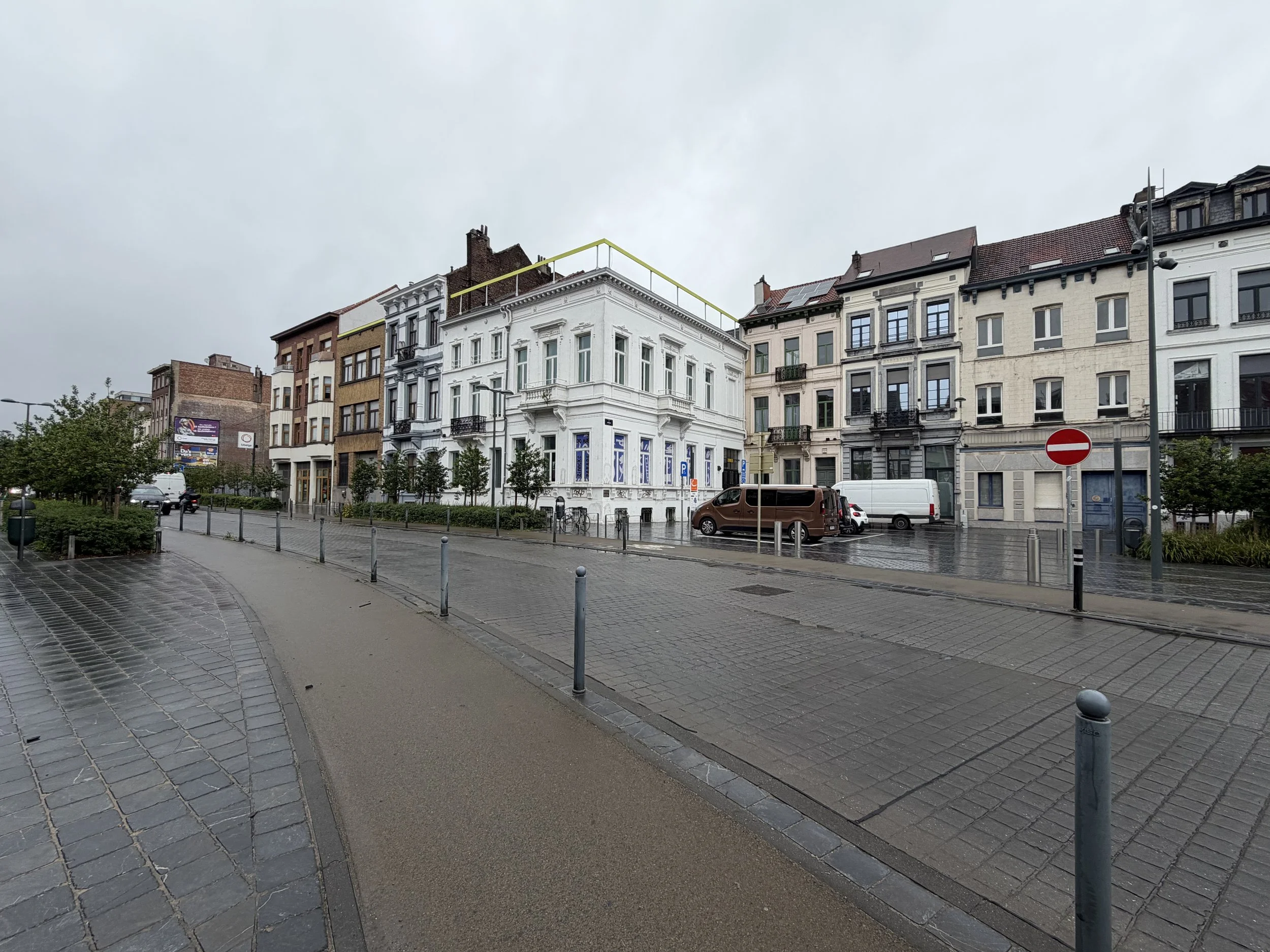
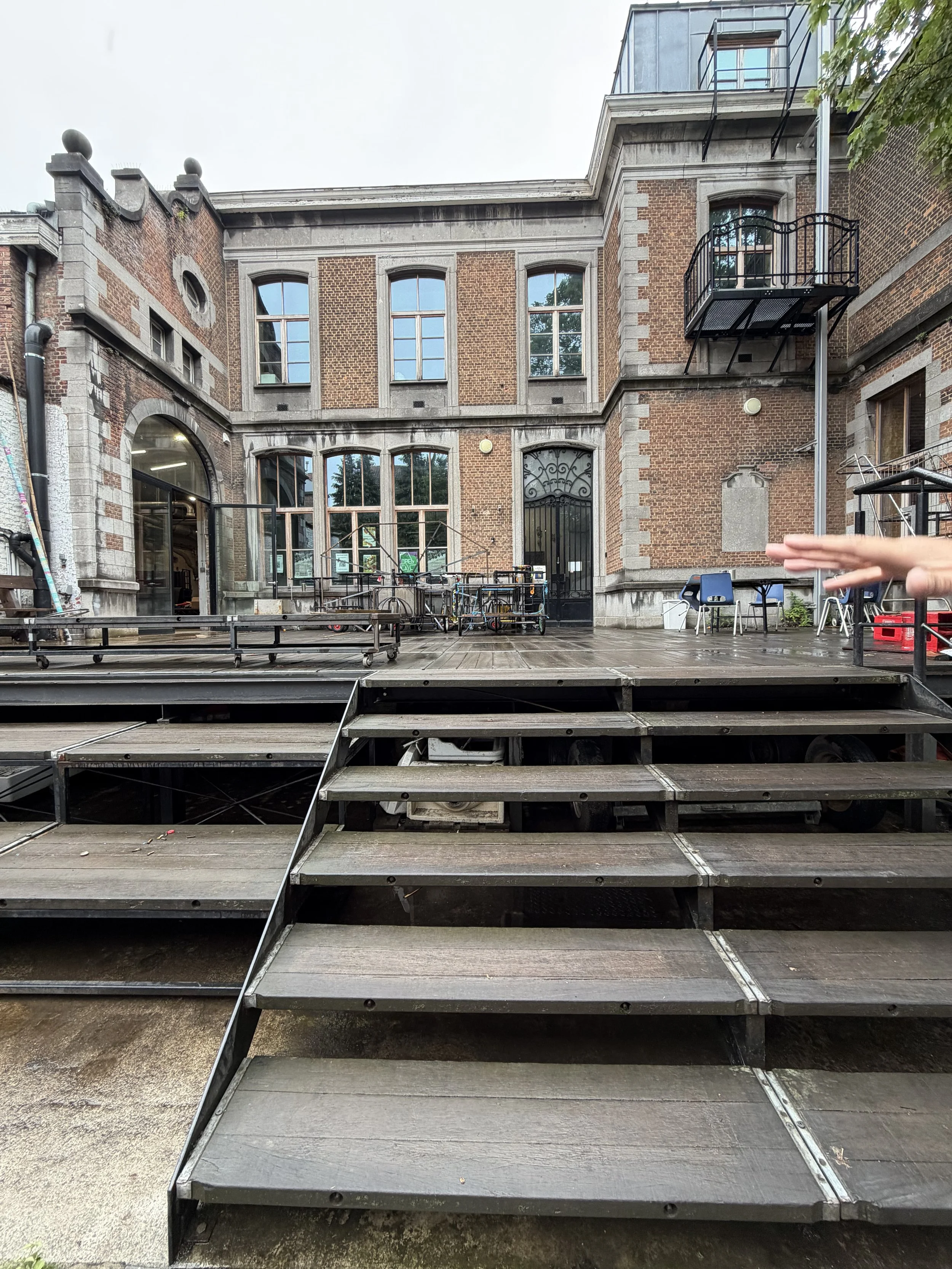
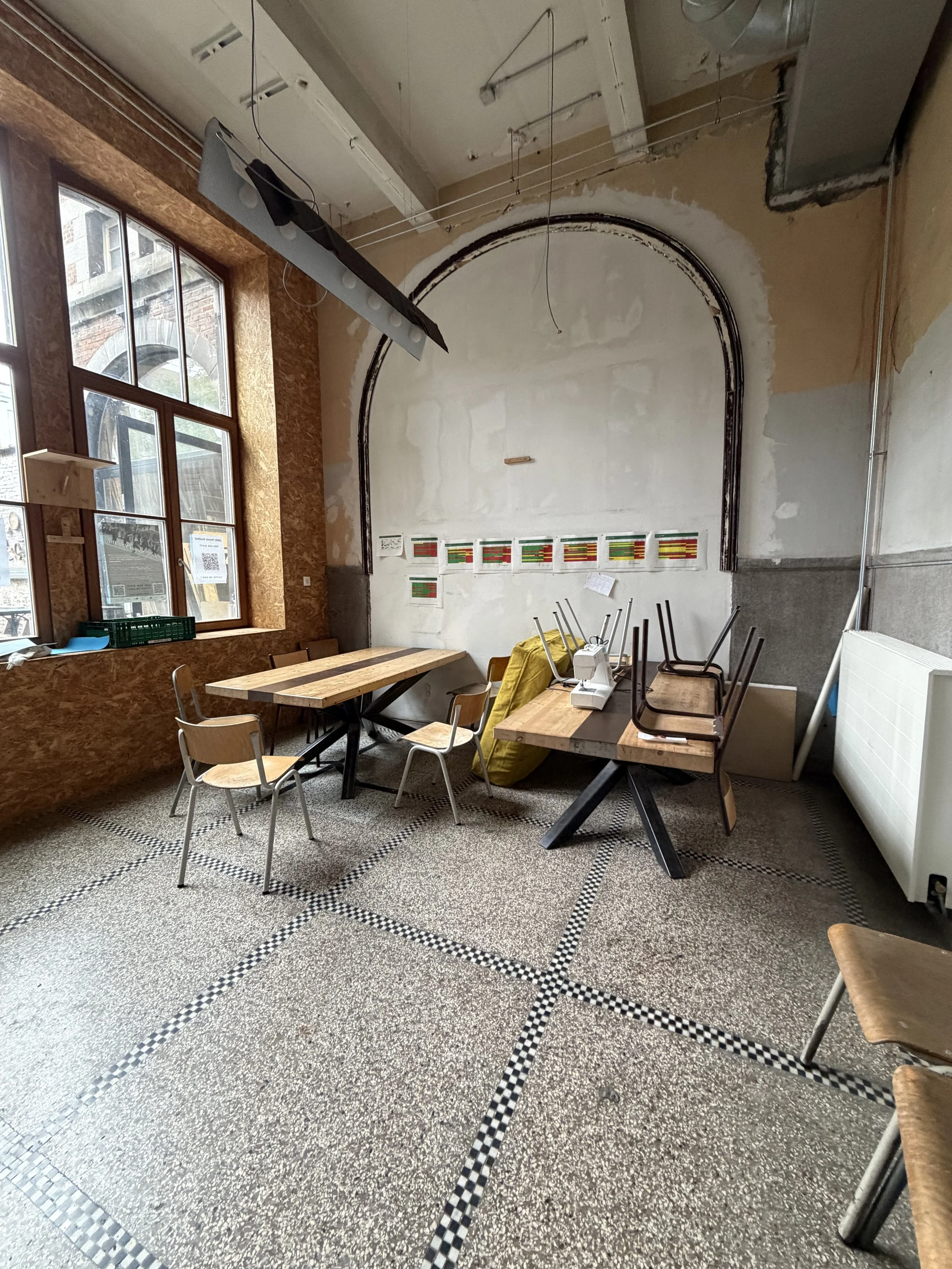
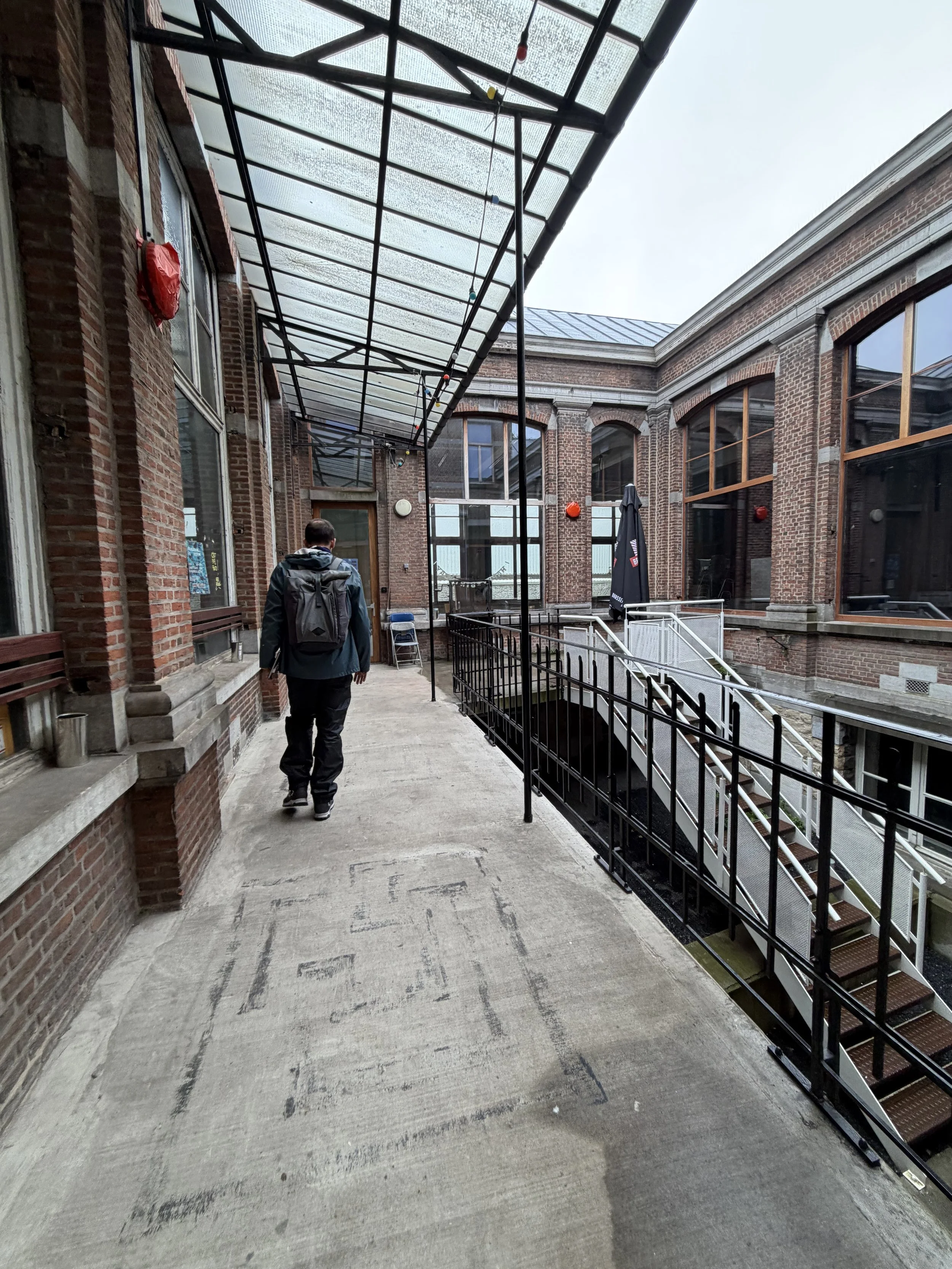
The transformation of Zinneke demonstrates that circular architecture extends beyond material selection to encompass governance, collaboration, and long-term stewardship. Working within a former government building, the project brought together the nonprofit cultural organization Zinneke, Rotor, OUEST Architecture, and public agencies to develop an adaptive reuse strategy rooted in preservation, flexibility, and material circulation. Rather than treating reuse as an aesthetic objective, the design established a series of project-wide preconditions: preserve the existing building wherever possible, maximize the reuse of materials both on and off site, minimize irreversible interventions, and adapt the building while it remained occupied. Research Lens
Primary Theme
Collaborative relationships to support reuse
Construction System
Renovation, Maximize Material Reuse
Research Question
What does an exemplary reuse project look like?
Contemporary Relevance
Design team, client, governmental agency collaboration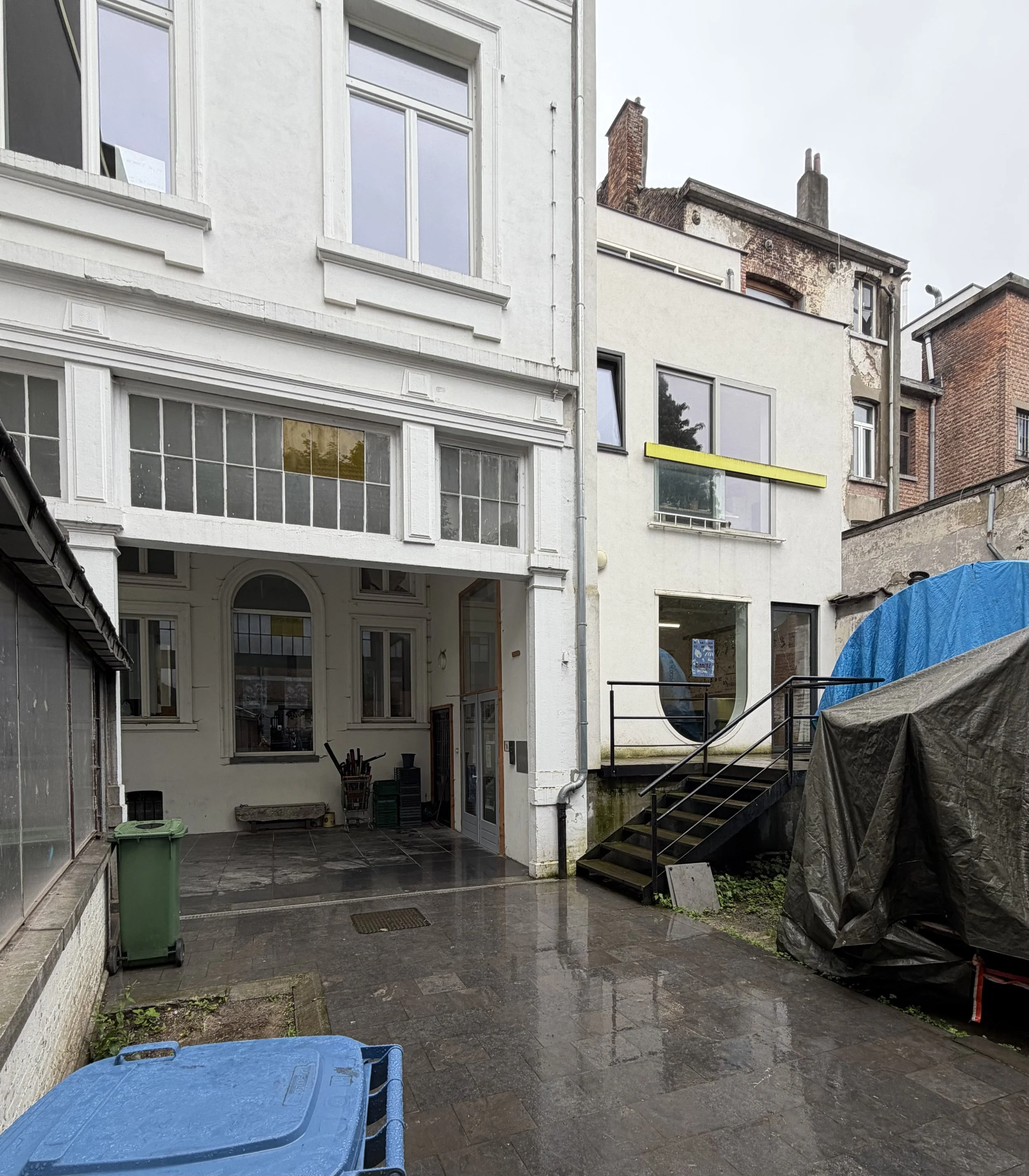
Construction system accommodates reuse

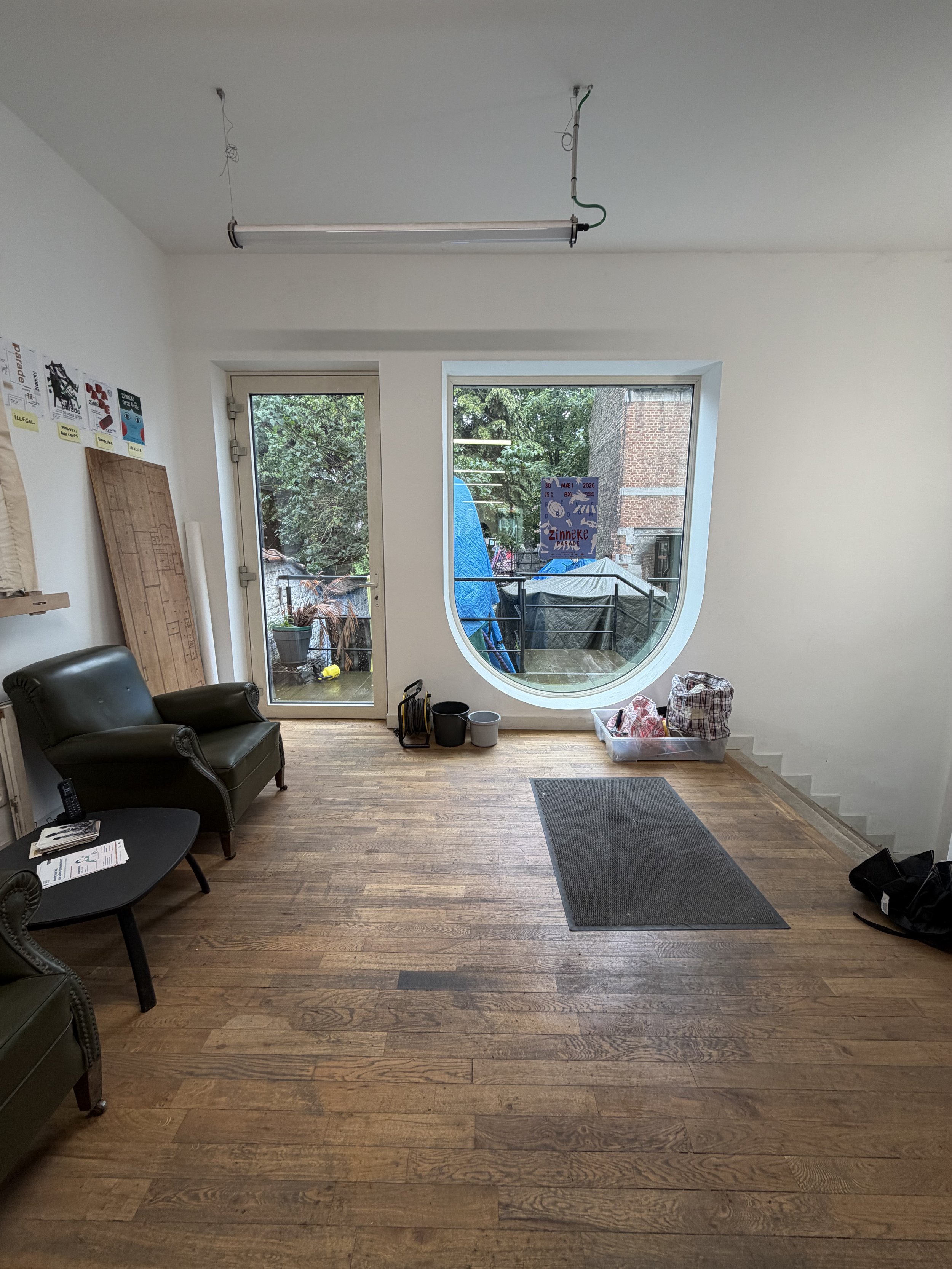
By allowing for the unknown in construction sets, the project was able to incorporate previously used components such as windows and mechanical equipment from deconstructed projects

Reuse projects must allow for the unknown at the contract level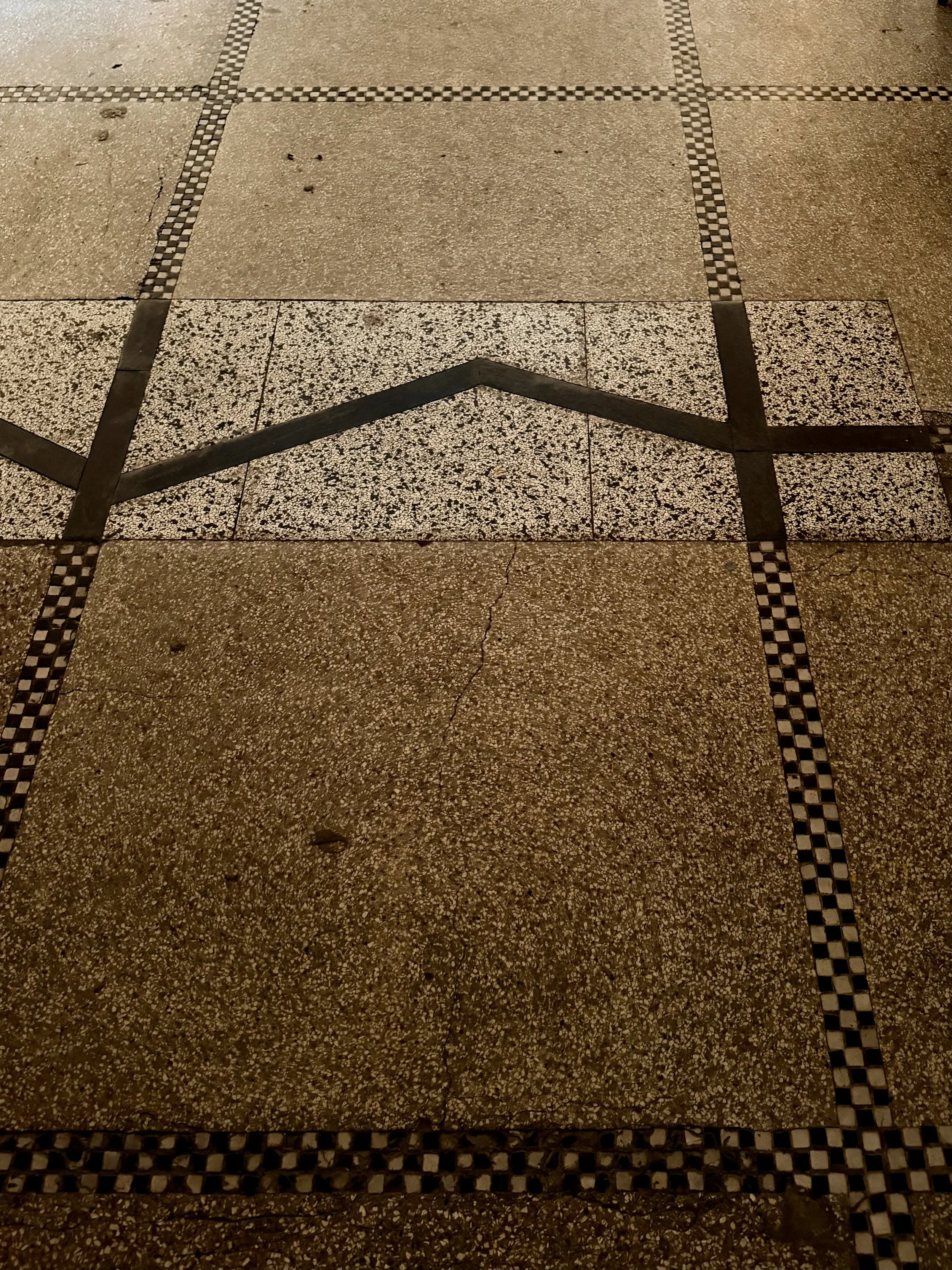
About 94% of material was preserved at Zinneke

Decisions to retain on-site buildings rather than demolish

12% of new material was recycled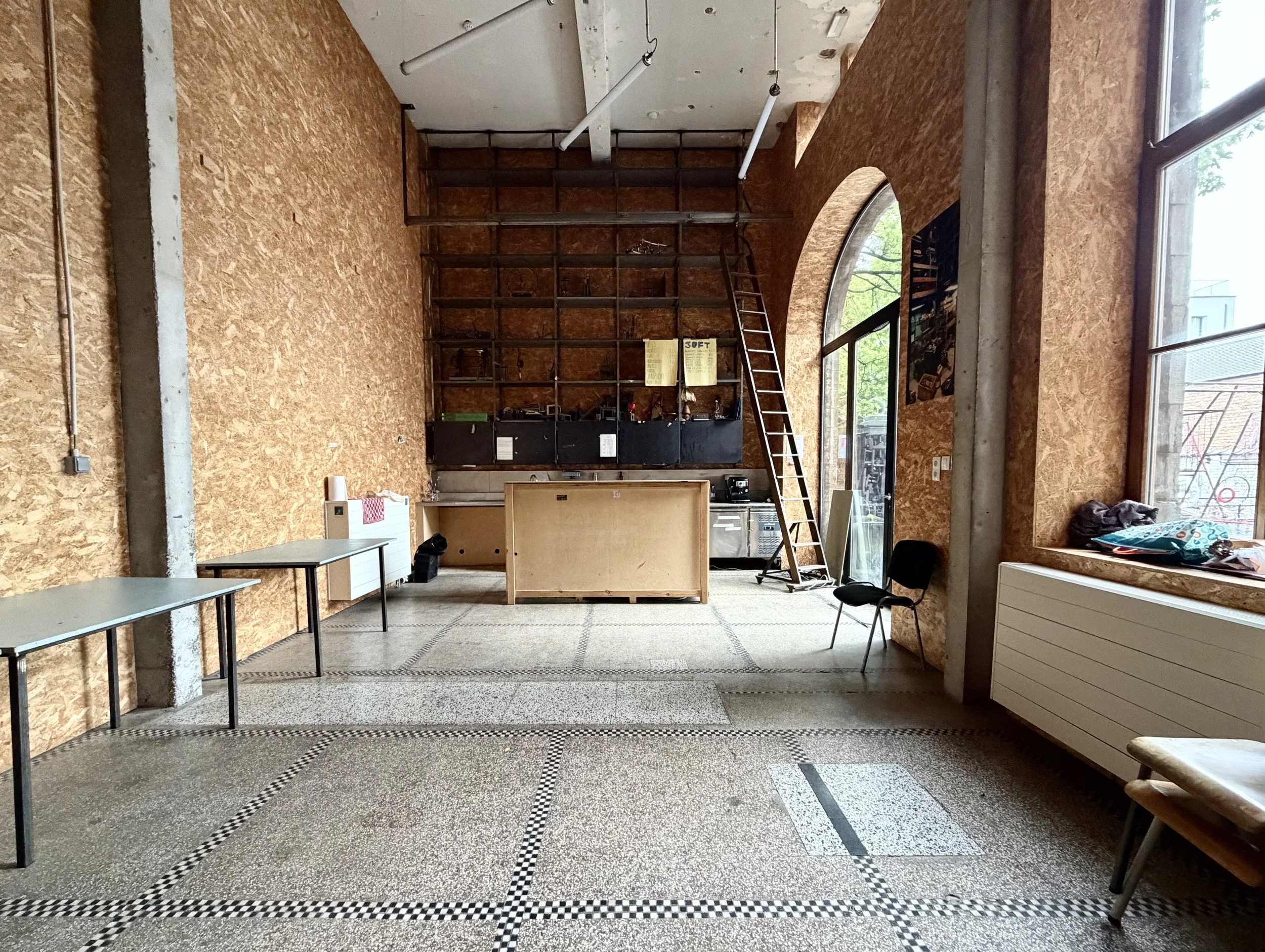
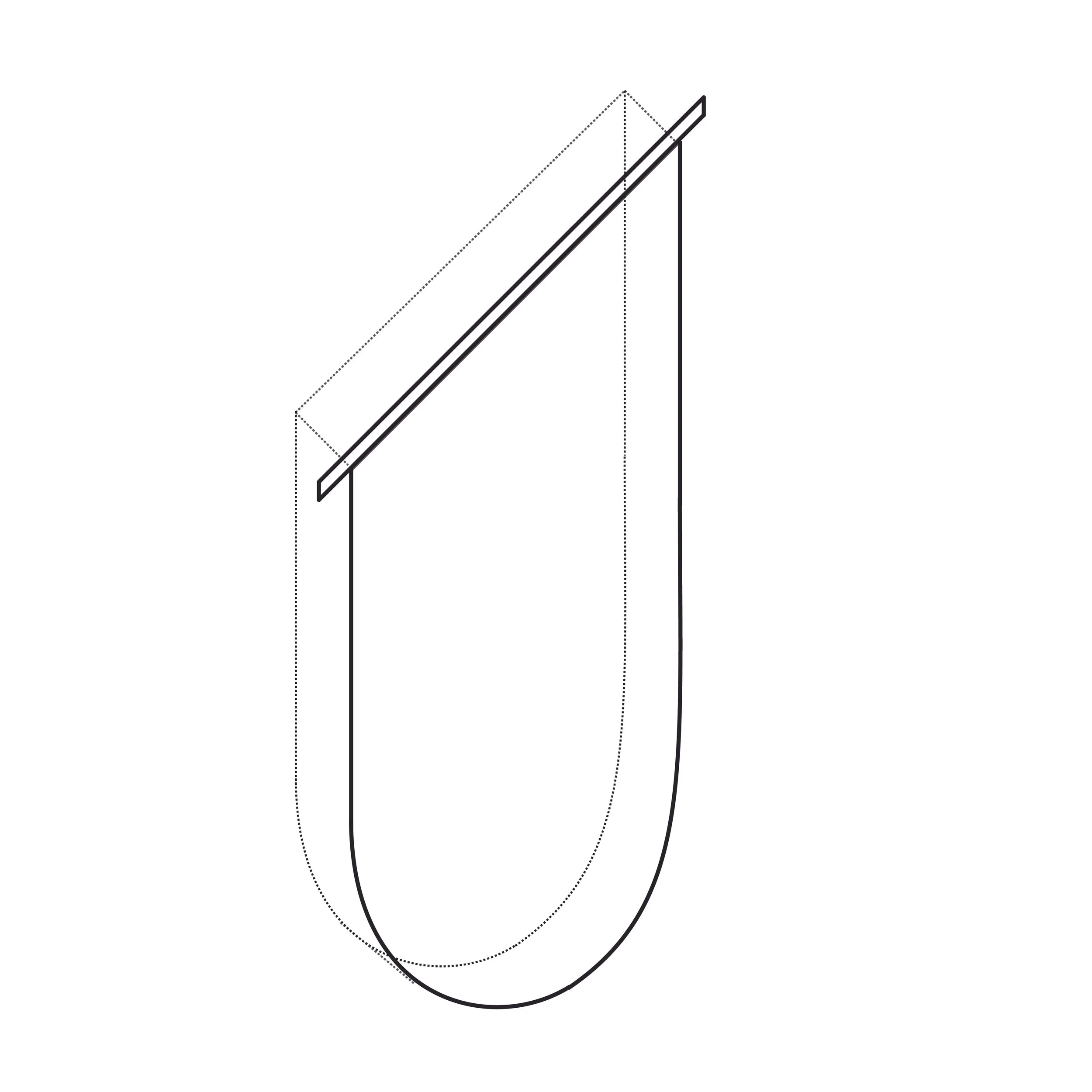
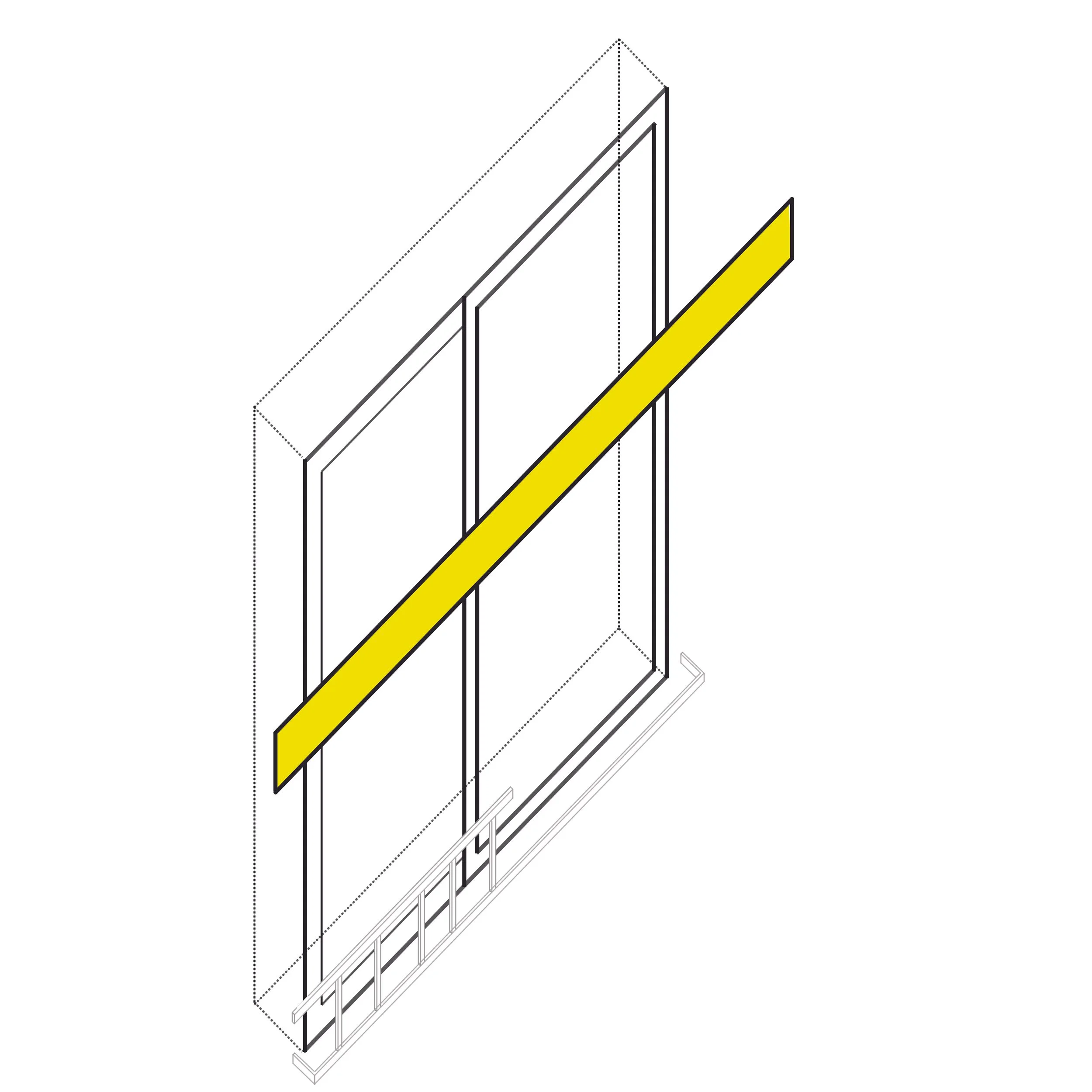
“window dimensions were left unspecified, as indicated by dotted lines on the documents indicating a minimum-maximum interval for future windows since the sizes would depend on what was available at demolition sites elsewhere in Brussels ¹”
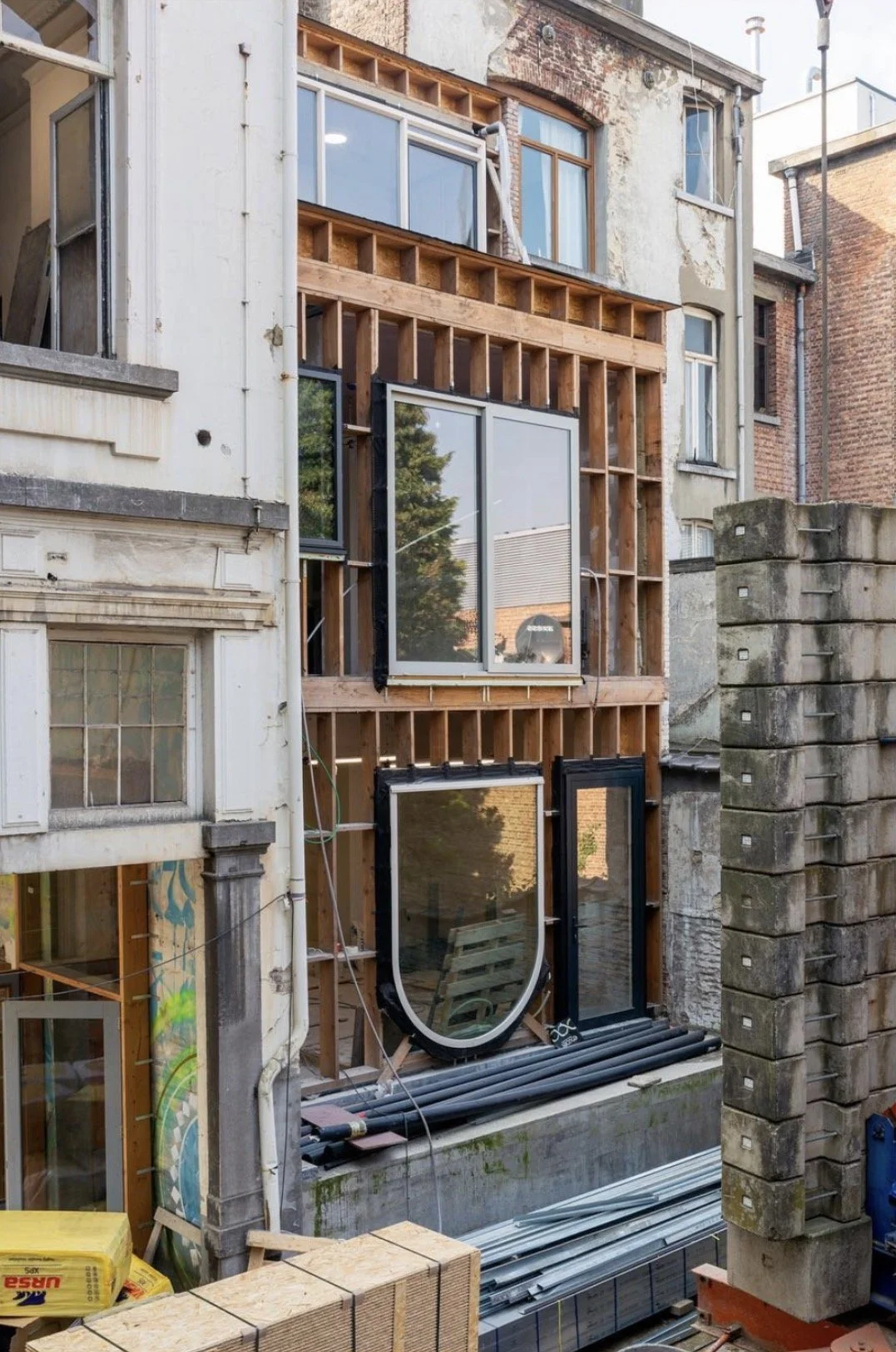
¹ The Architecture of Reuse in Brussels
Photo: @rotor_brussels instagramPlanning for the Unknown - Windows
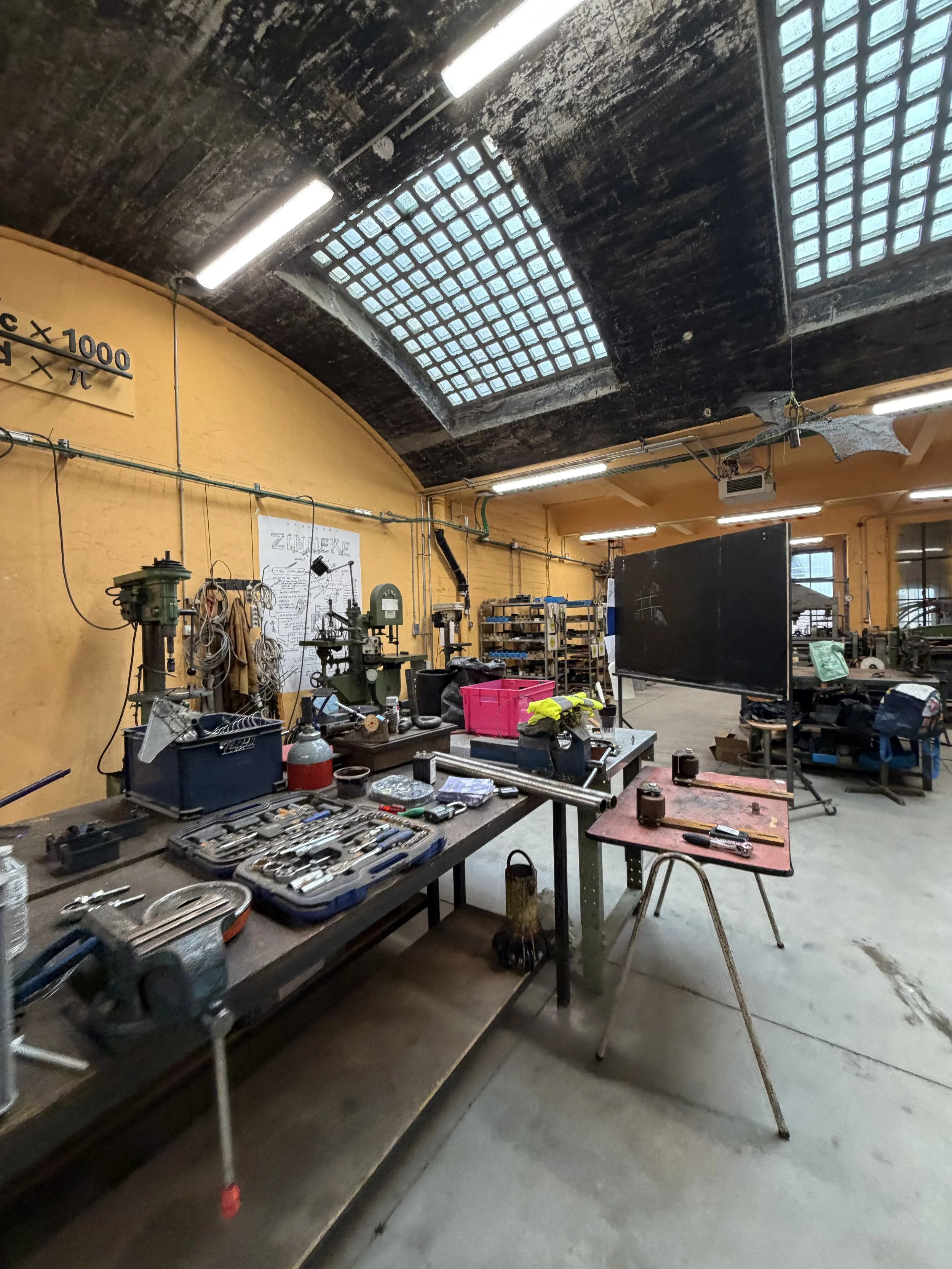
Aesthetics of reuse celebrate the unfinished, in-progress project
Research Takeaways


Working with artists communities is a key benefit to initiate reuse in city projects
Client, designer, city collaboration is essential
Construction contracts must incorporate flexibility